Have you ever looked at a shelf full of night creams and wondered which one is right for you? With so many options promising to hydrate, firm, brighten, and repair your skin while you sleep, the process of choosing the right one can feel overwhelming. So, how do you find a night cream that works for your skin, not against it?
Let's break it down step by step. This guide will help you understand what truly matters when choosing a night cream, taking into account your skin type, concerns, and goals.
One of the primary reasons people don't achieve results from skincare products is that they purchase based on trends, rather than their skin type. A cream that works for your friend may not work for you.
If your skin feels tight or flaky by the end of the day, especially around the cheeks and forehead, you’re likely in the dry skin category. Look for creams rich in ingredients like ceramides, squalane, shea butter, and hyaluronic acid. These help restore moisture and reinforce your skin barrier overnight.
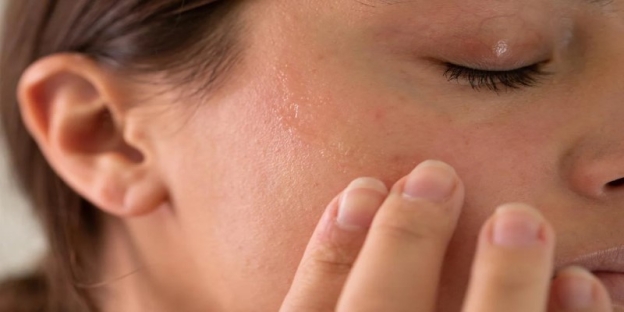
This type typically has an excessive shine and may be prone to breakouts or clogged pores. That doesn't mean you should skip night cream—hydration is still important. But go for oil-free or gel-based creams that are non-comedogenic. Ingredients like niacinamide, green tea extract, and salicylic acid can help maintain balanced oil levels without irritating your skin.
If your skin feels oily in the T-zone but dry around the cheeks, you're in the combo zone. Go for a lightweight formula with a balanced mix of hydrating and oil-controlling ingredients. A product containing hyaluronic acid and a small amount of niacinamide typically works well.
Prone to redness, stinging, or itchiness? You need a calming night cream. Avoid fragrance and alcohol-based products. Instead, choose creams with soothing ingredients like centella asiatica, oat extract, panthenol, and madecassoside. Patch testing new products is a must.
As skin ages, it loses elasticity and moisture. You may start to notice fine lines or a loss of firmness. For mature skin, look for formulas that contain retinol (if your skin can tolerate it), peptides, antioxidants such as vitamin C or E, and nourishing oils. These can help support collagen production and improve texture over time.
Decoding an ingredient label might not be your favorite activity, but it makes a difference. Some night creams come packed with active ingredients that are too strong when combined or are entirely unnecessary for your skin's needs.
Hyaluronic Acid: Excellent for hydration without heaviness. Works for almost all skin types.
Ceramides: Great for repairing the skin barrier. Ideal for dry, sensitive, or mature skin.
Niacinamide: Helps with oil control, redness, and uneven skin tone.
Peptides: Support skin firmness and reduce signs of aging.
Retinol: A form of vitamin A that promotes cell turnover, reduces wrinkles, and clears pores. Best used in moderation and paired with a moisturizer to prevent irritation.
Vitamin C: A powerful antioxidant that helps with brightening and fading dark spots.
Fragrance: Although it may enhance the Scent of your cream, fragrance can irritate sensitive or acne-prone skin.
Essential Oils: Some are gentle, but many can trigger reactions in individuals with sensitive skin.
Alcohol: Not all types are bad, but drying alcohols like denatured alcohol can strip moisture from the skin.
Heavy Oils (if acne-prone): Coconut oil or mineral oil can clog pores for some skin types, though they’re fine for others.
Even if a cream has great ingredients, the texture needs to suit your skin and comfort level.
For dry skin, a thicker balm or cream that leaves a slight layer on the skin might feel comforting.
For oily or acne-prone skin, a lightweight gel or lotion that absorbs quickly is usually preferred.
Sensitive skin types often prefer creams that are fragrance-free, creamy but not greasy, and have a short ingredient list.
Mature skin can handle richer textures and might even benefit from layering an oil on top of a cream.
Don't ignore how a cream feels. If it causes your skin to sting, itch, or feel greasy, it's not a good match, regardless of how many positive reviews it has.

More isn't always better. Apply just enough to cover your face lightly.
Even oily skin needs night care. Skipping a night moisturizer can cause dehydration, which in turn leads to increased oil production.
If your night cream already has actives like retinol or acids, avoid layering additional actives unless you know they work well together.
Some ingredients take weeks to show real results. Allow a product to be used for at least 3-4 weeks, unless it causes a reaction.
Apply your night cream after cleansing and toning, and after any treatment serums (like vitamin C or retinol). Use clean hands and gently massage the cream into your face using upward strokes. Don't forget your neck and jawline—those areas age, too.
Your skin changes with the seasons, your hormones, or even your Stress levels. What worked for you in winter might feel too heavy in summer. Observe how your skin responds and don't hesitate to rotate products as needed. Also, as you age, your skin might require more support in the form of firming or brightening ingredients.
There's no perfect product that works for everyone. However, when you understand your skin type and the ingredients that match your skin's needs, it becomes easier to identify what might work for you. Whether your skin is dry, sensitive, acne-prone, or mature, the best night cream supports your skin, not just trends or fancy packaging.
Try what suits your skin today. Please keep it simple. Pay attention to how your skin responds. And most importantly, give it time.